
Fernand Toussaint
( 1873-1956 )
Biography
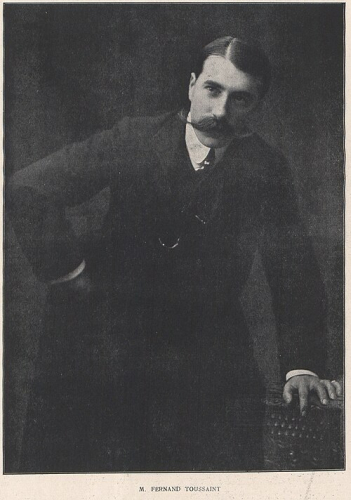
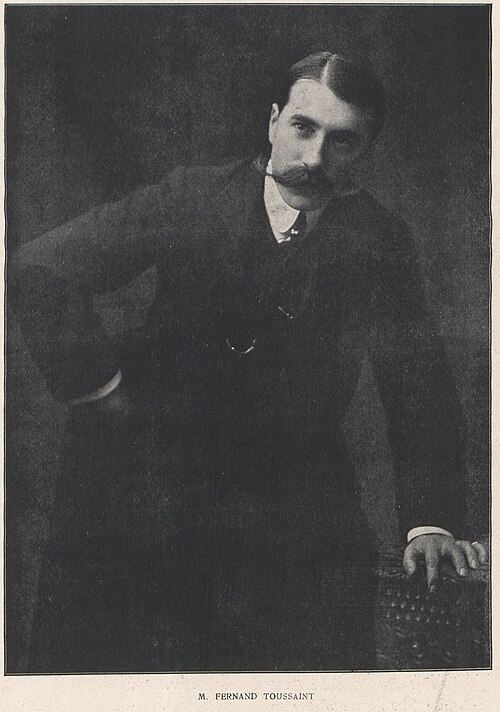
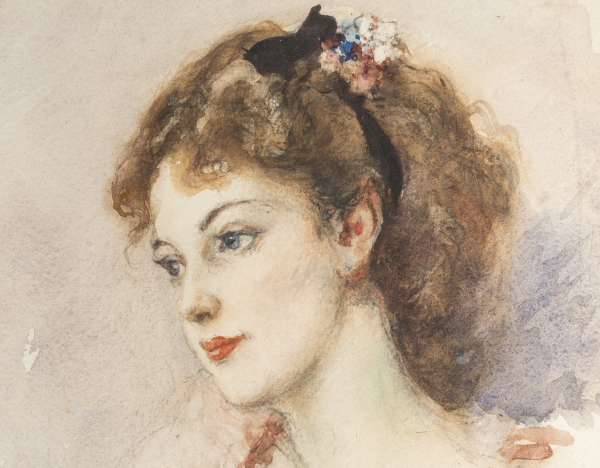
Fernand Toussaint was a Belgian painter, born in 1873 and deceased in 1956. He was active in Belgium from the late nineteenth century through the first half of the twentieth century. His work is primarily devoted to the human figure, and more particularly to portraiture, which he approached in oil, watercolour, and drawing.
His work belongs to a figurative tradition attentive to the accuracy of the gaze, the presence of the sitter, and the quality of execution. He developed a restrained form of painting, based on the subtlety of touch and a controlled palette, without recourse to overt narrative or decorative effects.
Fernand Toussaint took part in the artistic life of his time and exhibited within the framework of Belgian salons, where his work was recognised for its elegance and restraint. His production, largely focused on portraiture, reflects a sustained interest in psychology and expression, treated with sobriety.
His works are today preserved in several public collections in Belgium, attesting to the institutional recognition of his work. Fernand Toussaint thus occupies an identifiable place within the landscape of Belgian painting of the nineteenth and twentieth centuries, particularly in the field of portraiture.
93400 Saint-Ouen sur Seine